
In short
Mattancherry is the old trading quarter about 3 km south-east of Fort Kochi, 10 minutes by auto-rickshaw. Its three essentials are Mattancherry Palace (the Dutch Palace, closed on Fridays), the Paradesi Synagogue of 1568 (closed on Saturdays and Jewish holidays), and the spice warehouses and antique shops of Jew Town. Go on a weekday morning from Sunday to Thursday, before the heat and the tour buses.
If you are staying in Fort Kochi for a class or a course, Mattancherry is the first trip we suggest. It fits easily between a morning practice and lunch, and it explains more about why Kochi exists than anywhere else in town. For the wider picture, see our local’s guide to things to do in Fort Kochi.
Which days are open
This is the one thing worth planning around, because the two main sites close on different days.
| Sight | Usually closed | Typical hours | Good to know |
|---|---|---|---|
| Mattancherry Palace (Dutch Palace) | Friday | About 10 am – 5 pm | Small entry fee, higher for foreigners. No photography inside the mural rooms. |
| Paradesi Synagogue | Saturday and Jewish holidays; short hours on Friday | About 10 am – 1 pm and 3 – 5 pm | Small entry fee. Shoes off, shoulders and knees covered, no photos inside. |
| Jew Town shops and spice warehouses | Most open daily; a few close for Friday midday prayers | From about 9:30 am | Best in the morning, before the tour groups arrive. |
Hours change around holidays and are not always posted online, so treat these as a guide and ask at your guesthouse the evening before. If you only have one day, Sunday to Thursday catches everything open.
Getting there from Fort Kochi
Auto-rickshaw: about 10 minutes. Agree the fare before you get in, or ask the driver to use the meter. Turn down offers of a cheap "shopping tour"; they end in commission shops.
On foot: 35–45 minutes along Bazaar Road, past the old godowns where pepper, ginger and rice are still sorted and loaded. It is the most interesting walk in Kochi and best done before 10 am.
By bicycle: several guesthouses rent bikes. The roads are flat but busy around the jetty.
From Ernakulam: the ferry to Mattancherry jetty lands you close to the palace. Our guide to getting from Ernakulam to Fort Kochi covers the boats in detail.
Mattancherry Palace
Despite its nickname, the Dutch Palace was built by the Portuguese, around 1555, and given to the Raja of Kochi. The Dutch renovated it in the 1660s, and the name stuck.
From outside it is a plain two-storey Kerala building around a courtyard. Inside are the reason to come: some of the finest temple murals in India, with scenes from the Ramayana painted in rich reds, ochres and greens across whole walls. There are also royal palanquins, costumes and portraits of the Kochi rajas.
Allow 45 minutes. The mural rooms are dim, so give your eyes a minute to adjust.
The Paradesi Synagogue
A two-minute walk from the palace, at the end of Synagogue Lane. Built in 1568, it is the oldest active synagogue in the Commonwealth, and it shares a wall with the palace temple, which tells you something about old Kochi.
Look down as well as up. The floor is laid with hand-painted blue-and-white tiles brought from Canton in the eighteenth century, no two quite alike. Glass chandeliers hang from the ceiling, and the clock tower outside has faces in Hebrew, Malayalam and Roman numerals.
Kochi’s Jewish community, once several thousand strong, now numbers only a handful of people, most having moved to Israel after 1948. The synagogue is a place of worship first, so visit quietly.
Jew Town and the spice lanes
The streets around the synagogue are lined with antique and craft shops: carved doors, old brass lamps, temple bells, textiles, spice boxes. Prices start high and bargaining is expected. Much of what is sold as antique is skilful reproduction, which is fine as long as it is priced that way.
Further along Bazaar Road are the working warehouses. Peer into the courtyards and you will see ginger drying on the floor and sacks being weighed, much as they have been for centuries. A few warehouses have been turned into cafés and galleries, especially during the Kochi-Muziris Biennale.
Buy spices here rather than in the airport: cardamom, black pepper and cinnamon are fresh and much cheaper. Ask to smell before you buy.
A half-day walking route
- 8:30 am: leave Fort Kochi and walk along Bazaar Road past the godowns.
- 9:30 am: coffee on the way, then the Jain temple on Gujarati Road if you like quiet places.
- 10:00 am: Mattancherry Palace as it opens.
- 11:00 am: the Paradesi Synagogue.
- 11:30 am: Jew Town shops and a spice stop.
- 12:30 pm: a vegetarian thali nearby, then an auto back to Fort Kochi for a rest in the heat. See our vegetarian food guide.
Practical tips
- Dress: cover shoulders and knees for both the palace and the synagogue. A light scarf solves most problems.
- Heat: from March to May it is very hot by 11 am. Carry water and go early. Our guide to the best time to visit Fort Kochi has the month-by-month picture.
- Rain: in the monsoon, Mattancherry is one of the best rainy-day plans in Fort Kochi, since most of it is indoors.
- Women travelling alone: it is a busy, friendly area by day. Our solo female travel guide has more.
If you are in town for a few days, combine your mornings in Mattancherry with an afternoon class. Our daily Hatha yoga classes in Fort Kochi run at 7:30 am and 3:30 pm, so you can practise and still see the town.
Common questions
Is Mattancherry Palace open on Fridays?
No. Mattancherry Palace is normally closed on Fridays. The Paradesi Synagogue is closed on Saturdays and Jewish holidays, so Sunday to Thursday is best for seeing both.
How far is Mattancherry from Fort Kochi?
About 3 km. It takes about 10 minutes by auto-rickshaw or 35 to 45 minutes on foot along Bazaar Road.
How much time do you need in Mattancherry?
Half a day is enough for the palace, the synagogue and Jew Town. Allow a full morning if you want to walk there and browse the spice shops.
Can you take photos inside the Paradesi Synagogue?
No. Photography is not allowed inside the synagogue, and visitors remove their shoes and cover their shoulders and knees.
Why is it called the Dutch Palace?
The Portuguese built it around 1555 and gave it to the Raja of Kochi. The Dutch renovated it in the 1660s, and the name Dutch Palace has stayed ever since.
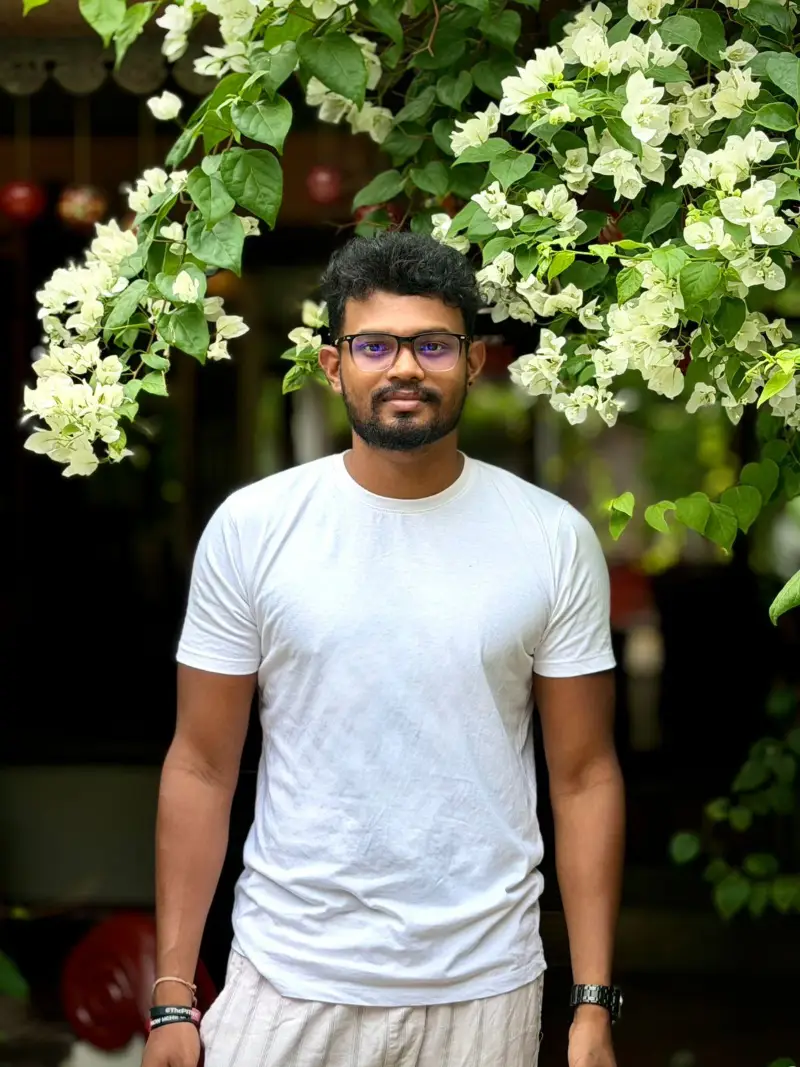
Known to his students as Achu, Aksharanand trained in the Sivananda tradition and holds an Advanced Teacher Training Certificate. He has taught Hatha Yoga, pranayama, meditation and Vedanta philosophy in Fort Kochi for over fifteen years, across more than 5,000 group classes and seventy international teacher training batches.
More about Achu and the school · Book a class or ask a question