

In short
The best time to visit Fort Kochi is November to February: dry, sunny days of about 31–32°C, cooler nights and the Cochin Carnival at New Year. March to May is hot and humid; June to September is the monsoon, green, quiet and cheap; October is a mixed shoulder month. Whatever the month, explore before 11 am and after 4 pm, and go to the beach for sunset.
Fort Kochi is on the coast, so it never gets truly cool and never gets as fiercely hot as inland India. What changes through the year is the rain, the humidity and the number of people. If you are planning a wider trip, our guide to the best time to visit Kerala for yoga covers the hills and the backwaters too.
Fort Kochi weather by month
| Month | Day / night | Rain | What it is like |
|---|---|---|---|
| January | 31°C / 23°C | Very little | The best month. Clear skies, cool mornings, busy. |
| February | 32°C / 24°C | Very little | Dry and bright, fewer crowds than January. |
| March | 33°C / 25°C | Light | Getting hot; humidity rising. Good value. |
| April | 33°C / 26°C | Some storms | The hottest stretch, with pre-monsoon thunderstorms. |
| May | 32°C / 26°C | Rising | Heavy, sticky air until the rain arrives late in the month. |
| June | 29°C / 24°C | The wettest | Monsoon arrives in force. Dramatic and green. |
| July | 29°C / 24°C | Very heavy | Long rainy spells with bright breaks. Very quiet. |
| August | 29°C / 24°C | Heavy | Rain easing; Onam festival in August or September. |
| September | 30°C / 24°C | Moderate | Showers and sun. Good value, lush. |
| October | 30°C / 24°C | Afternoon storms | The second, north-east monsoon brings evening downpours. |
| November | 31°C / 24°C | Tapering | Season begins. Fresh, green, pleasantly busy. |
| December | 31°C / 23°C | Very little | Peak season, Christmas lights and the Carnival. |
These are long-term averages, rounded; any single year can be wetter or drier. Humidity sits between about 70 and 90 per cent all year, so 32°C here feels warmer than 32°C in a dry climate.
November to February: the peak season
This is when Fort Kochi is at its most comfortable and most lively. Mornings are fresh enough to walk the old town, the sea is calm, and the sunsets over the fishing nets are clear.
December is the busiest month. The Cochin Carnival runs in the last days of the year and ends at midnight on 31 December with the burning of the Pappanji. In the years it is held, the Kochi-Muziris Biennale, India’s largest contemporary art exhibition, fills the old warehouses from December into spring. Book your room early for late December.
March to May: the hot months
Hot, humid and quieter. Rooms are cheaper and the town belongs more to its residents. Sightseeing has to happen early or late; from 11 am to 4 pm the sensible thing is a long lunch, a fan and a book.
This is a good time for a focused stay if you do not mind sweating. Morning practice is easier than you would expect, because the body is warm from the start. Drink more water than feels necessary.
June to September: the monsoon
Many visitors avoid it, and they miss something. The rain comes in heavy bursts with bright spells between, the gardens turn an extraordinary green, the air cools, and the town is wonderfully quiet. Prices are at their lowest.
The monsoon is also the traditional season for Ayurvedic treatment, when the body is thought to be most receptive; see panchakarma explained. The sea is too rough for swimming, and some days you will be indoors by necessity. Our guides to practising through the monsoon and things to do in Fort Kochi when it rains help.
October: the shoulder month
October is mixed. Mornings are often clear; afternoons can bring sudden thunderstorms from the north-east monsoon. It is green, uncrowded and good value, and by the end of the month the season is starting.
The best time of day
Whatever the month, the rhythm of a good day in Fort Kochi is the same:
- 6:30–10 am: the fishing nets at work, quiet streets, the best light. Ideal for a walk to Mattancherry and Jew Town.
- 11 am–4 pm: rest, eat, read, or visit indoor places such as the palace and the churches.
- 4:30–6:30 pm: the beach and the nets at sunset, when half the town comes out to walk.
- Evening: a Kathakali performance or dinner, as the heat lifts.
The best time for a yoga trip
For comfort, November to February. For focus and value, the monsoon. Our 2027 teacher trainings in Fort Kochi start on 1 January, 1 February, 1 April and 1 June, so there are two batches in the cool season, one in the heat and one at the start of the rains.
Daily drop-in classes run all year. If you are only passing through, the 7:30 am class is the coolest and calmest way to start a day here.
Common questions
What is the best month to visit Fort Kochi?
January, for clear skies and cooler mornings, closely followed by February and December. December is the busiest because of Christmas and the Cochin Carnival.
Is it worth visiting Fort Kochi in the monsoon?
Yes, if you like rain and quiet. June to September is green, cool and inexpensive, and it is the traditional season for Ayurveda, though the sea is too rough to swim.
How hot is Fort Kochi in April and May?
Days reach about 33°C with high humidity, so it feels hotter. Plan sightseeing before 11 am and after 4 pm.
What time is best to visit Fort Kochi beach?
The hour before sunset, roughly 5 to 6:30 pm, when the light is soft and the fishing nets are silhouetted. Early morning is quieter.
When is the Cochin Carnival?
In the last week of December, ending at midnight on 31 December with the burning of the Pappanji effigy.
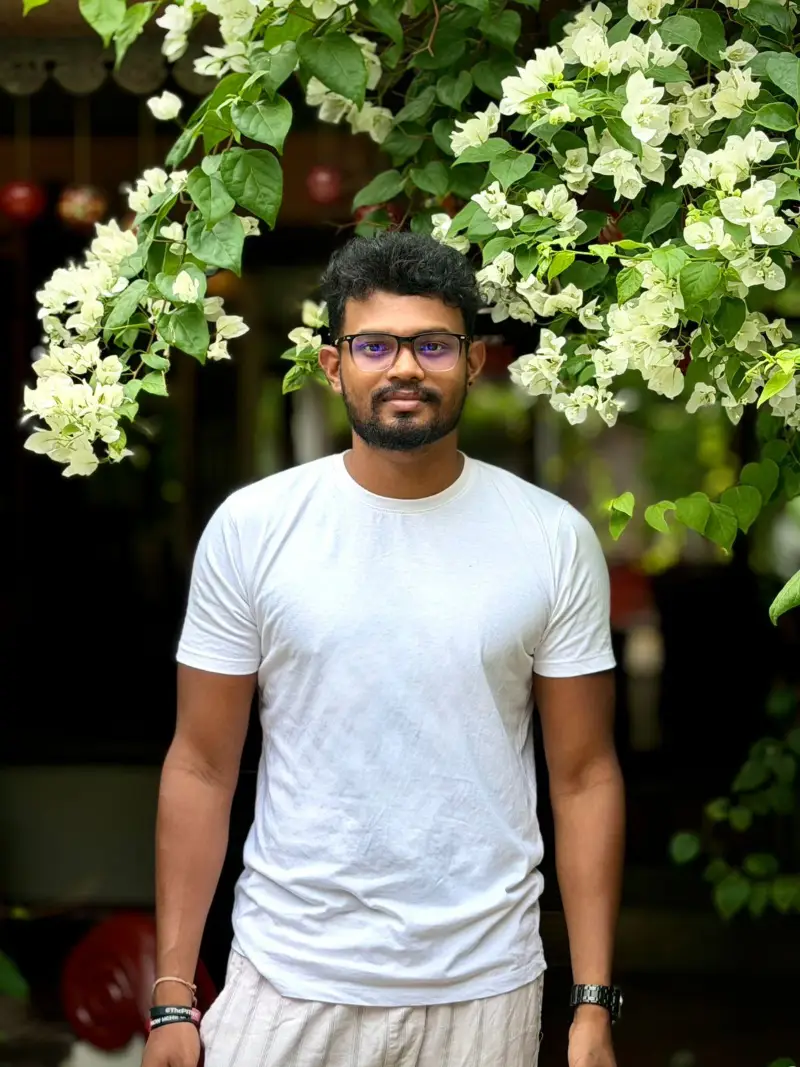
Known to his students as Achu, Aksharanand trained in the Sivananda tradition and holds an Advanced Teacher Training Certificate. He has taught Hatha Yoga, pranayama, meditation and Vedanta philosophy in Fort Kochi for over fifteen years, across more than 5,000 group classes and seventy international teacher training batches.
More about Achu and the school · Book a class or ask a question